
Zhang Hang is about as far as it gets from the old stereotype of an Audi buyer in China: She’s in her early 30s, a woman, and neither a government official nor a rich businessman. “Audi drivers are the progressive, white-collar workers and it’s an image I identify with,” said the 32-year-old furniture designer, who’s deciding between an A4L sedan and the Q5 SUV. “I work hard and want to make sure my money is well spent.” It’s a description that would have sounded unusual in the late 1980s, when Audi was the de facto ride of high-ranking government officials and privileged businessmen in the decade following the adoption of market reforms. Back then, the German brand accounted for about 70% of the government and state-owned company fleets, a proportion that has declined steadily over the years. Today, women make up about a third of Audi’s buyers in China, even higher in the more prosperous eastern regions. “Women are getting more important in China as a buying group than in other regions,” Joachim Wedler, head of Audi in China, said at the Guangzhou auto show in southern China last week. “There are a lot of young and successful women in China.” With slowing growth in luxury sales, premium carmakers have to spread their bets and appeal to as many demographic groups as possible. Audi’s sales in China have declined 0.6% this year through October as the economy moderates and a stock-market rout dented consumer sentiment. “It’s good that they’re making their cars younger and sportier, which is more attractive for female buyers,” said Yale Zhang, Shanghai-based managing director at researcher Autoforesight Shanghai Co. “Studies show that about 50% of buyers for entry-level premium brands are women, so Audi should try to capture that.” Chinese women favour models such as the A3 compact vehicle, the TT sports car and the Q3 and Q5 sport-utility vehicles, said Sandra Goeres, vice president of marketing at FAW-Volkswagen Automotive Co. Audi is also making sure it gives women buyers the features they want, such as automated self parking, she said. The company is also expanding the choice of colors and finishes to cater to women, offering lighter or dual tones for the interior, Goeres said. To reach women, the carmaker also worked with fashion magazines like Elle and Marie Claire, and showcased its cars at art events, she said. (Bloomberg)

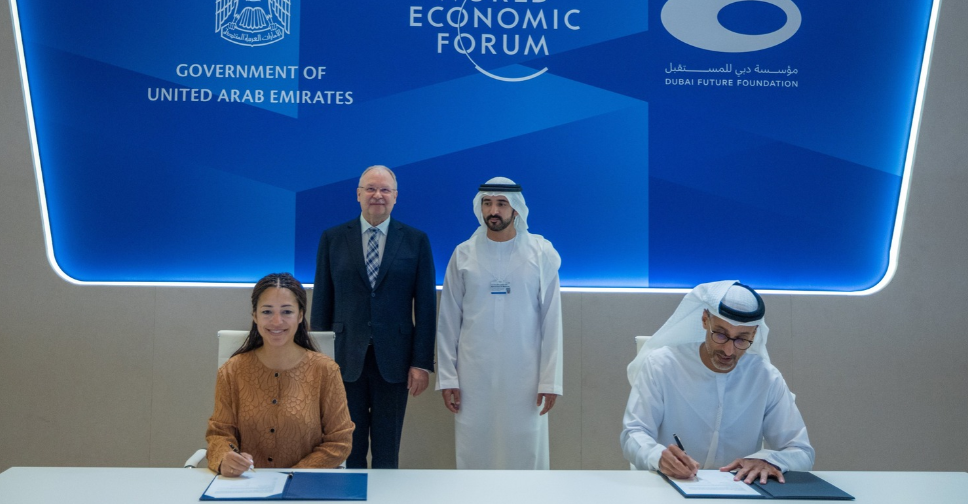 H.H. Sheikh Hamdan witnesses launch of Dubai's Global Future Opportunities centre
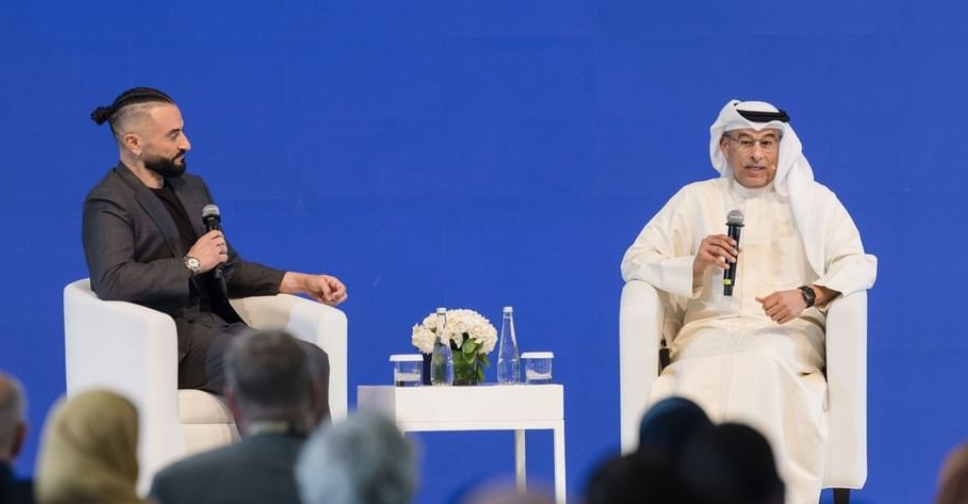 Emaar sustains collection rate at 98 per cent during regional tension
 Sheikh Abdullah and India’s Jaishankar discuss strengthening ties
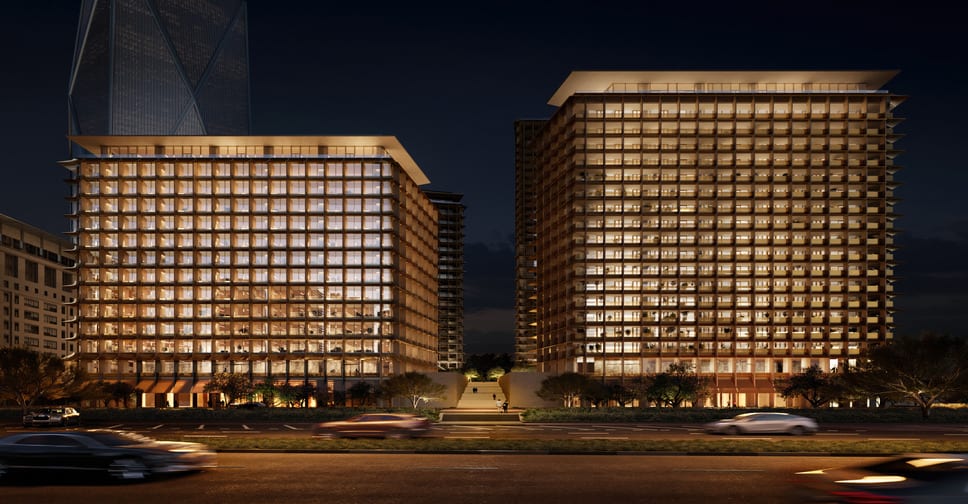 New mixed-use development planned for DIFC, due within two years
 Netflix cuts about 6% of jobs in biggest layoff since 2022, WSJ reports