

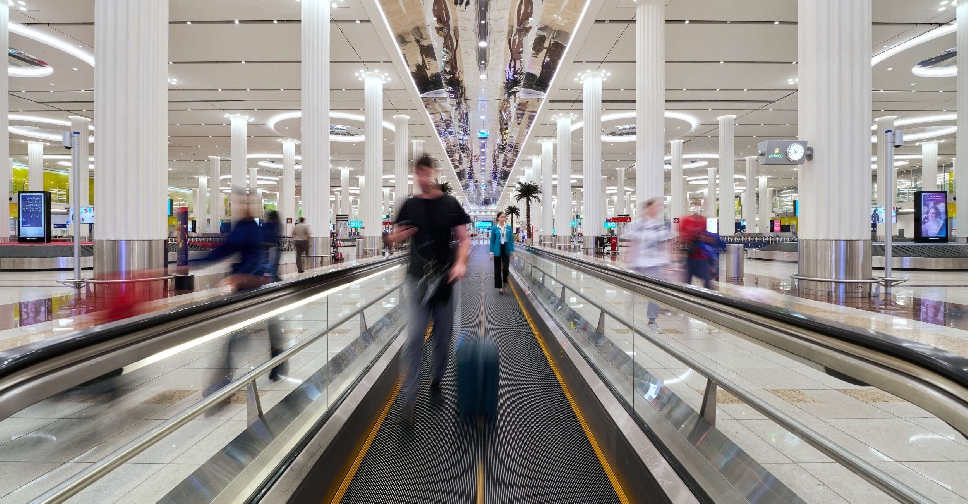
Dubai International Airport (DXB) is preparing for a holiday travel surge like never before, with over 3.6 million passengers expected to pass through its terminals from March 26 to April 7, coinciding with Eid Al Fitr and the spring break for schools.
The busiest day is expected to be Saturday, April 5, with 309,000 guests expected.
On average, daily traffic will reach 276,000, with the first week of April seeing the sharpest increase. Departures during Eid week are set to rise by 19 per cent compared to the usual weekly volumes over the past month.
The surge is driven by strong demand for travel to key destinations like India, Pakistan, and the UK, alongside a rise in leisure travel.
Dubai Airports is encouraging travellers to use the new DXB Express Maps, a smart tool for real-time directions across terminals.
By scanning a QR code displayed on any flight information screen, guests can locate their gate and access information on dining and retail options, or nearby facilities.
Additionally, enhanced services are available for people of determination, including accessible routes, discreet support for those wearing the Sunflower Lanyard, from trained staff wearing Sunflower pins, and a dedicated Assisted Travel Lounge in Terminal 2.

 'Peace is not far away' says Erdogan after Putin meeting
 UAE, Serbia deepen ties with new political agreement
 UAE strengthens child protection measures
 Zayed Giving Caravans treat children, elderly in Pakistan

