

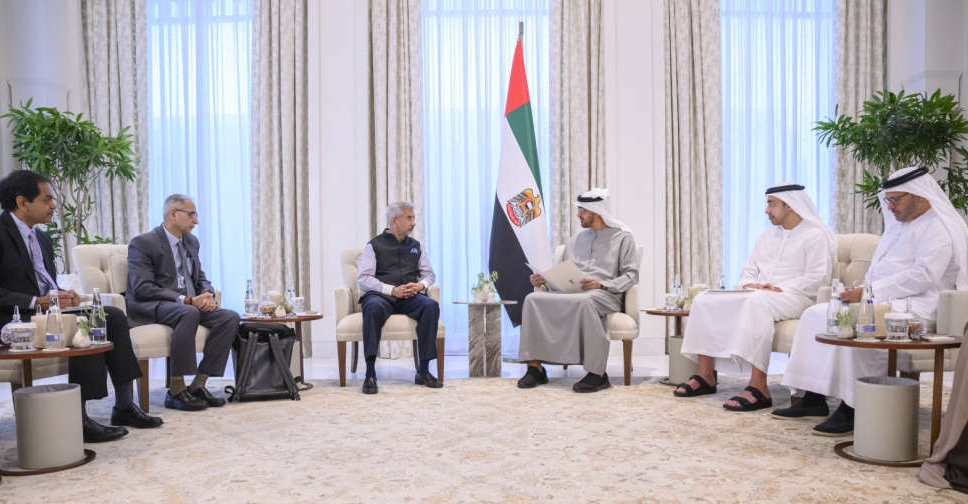
The UAE's President His Highness Sheikh Mohamed bin Zayed Al Nahyan has received a letter from Indian Prime Minister Narendra Modi on strengthening strategic relations between their countries.
The letter was delivered during his meeting with a visiting Indian delegation led by External Affairs Minister, Dr. S. Jaishankar.
The two sides focused on ways to enhance cooperation in various fields under the framework of the comprehensive economic partnership agreement signed between the UAE and India earlier this year.
They also discussed a number of regional and international issues of mutual concern.
The meeting at Al Shati Palace in Abu Dhabi was attended by His Highness Sheikh Abdullah bin Zayed Al Nahyan, Minister of Foreign Affairs and International Cooperation, His Highness Sheikh Hamdan bin Mohamed bin Zayed Al Nahyan, Sheikh Mohammed bin Hamad bin Tahnoun Al Nahyan, Advisor for Special Affairs at the Ministry of Presidential Affairs, Reem bint Ibrahim Al Hashemy, Minister of State for International Cooperation, and Dr. Anwar Gargash, Diplomatic Adviser to the UAE President.
Dr. Jaishankar is currently visiting the UAE to attend the meetings of the fourteenth session of the UAE-India Joint Committee and the third session of the UAE-India Strategic Dialogue.


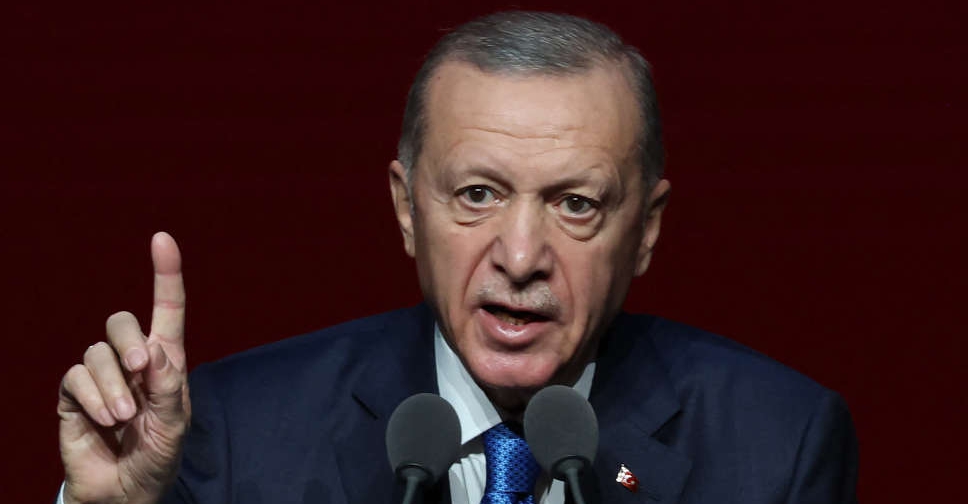 'Peace is not far away' says Erdogan after Putin meeting
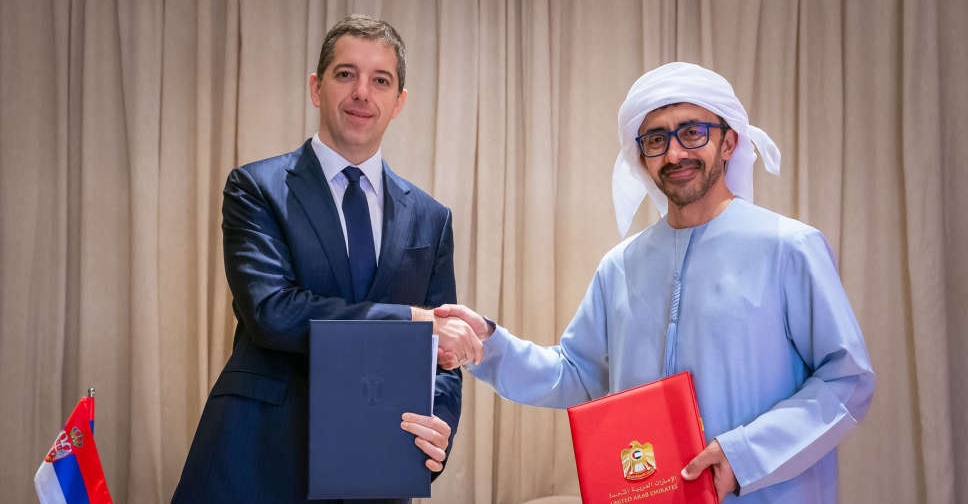 UAE, Serbia deepen ties with new political agreement
 UAE strengthens child protection measures
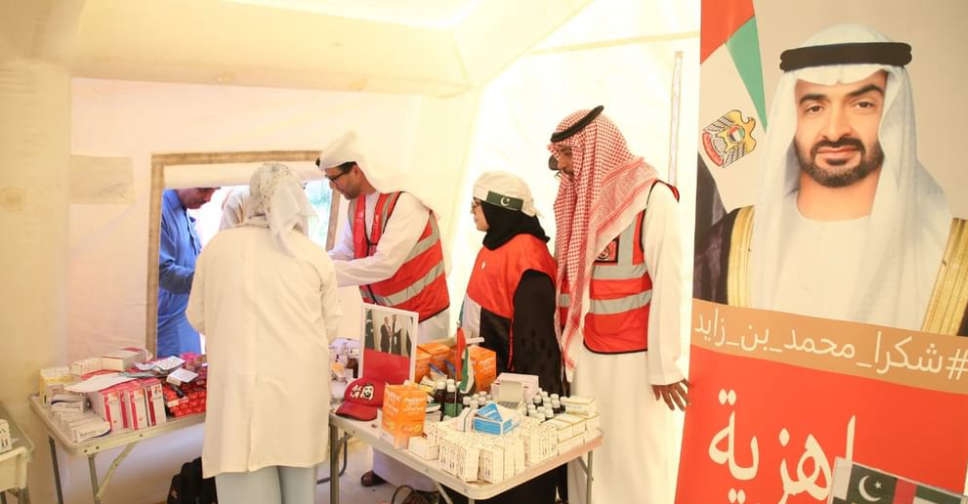 Zayed Giving Caravans treat children, elderly in Pakistan

